Pages


Thursday, April 11, 2013

WSRM---How to Analyze Light Fixture Problems?

HERE IS LIGHT!HERE IS LIFE!

WSRM---How to Analyze Light Fixture Problems?


As homeowners, we often overlook light fixtures in our home when it comes to maintenance. We walk in the room and flip on the light switch, assuming it will always light the bulb. However, that isn't always the case. Sometimes common electrical problems can cause the problem, or it may just be that a bulb burned out. But how are we to know? Here is a list of common problems and some recommended repairs to keep the lights shining brightly in your home.

Ceiling Light Fixture

Problem: The light bulb will not light.
  1. Check the light bulb first. It may have burned out. Replace the bulb.
  2. Check to see if the bulb is tight in the socket.
  3. Check the socket tab in the center of the socket. You may have to pull up on it in order for it to make contact with the bulb.
  4. Check the connections at the switch and make sure that they are tight. Be sure that the power is off to the circuit that you are working on.
  5. Check the connections at the light and the breaker panel to be sure they are all connected tightly.
Problem: The light flickers.
  1. If the bulb flickers on and off it usually means that the switch contacts are getting bad. Usually you'll be able to hear a sizzling or crackling sound if the switch contacts are bad. In this case, replace the switch.
  2. It also could be that the connections are loose. This could be on the switch, at the panel, or in the junction box of the light. There also is the possibility that the connections to the light socket could be loose. Check all of these points and tighten if necessary. If the socket connection is loose, replace the light socket.

Recessed Lights - Can Lights

Problem: Light turns on and off by itself.
  1. Check the size of the bulb in the socket. Make sure the wattage of the bulb doesn't exceed the recommended wattage rating for the fixture. The maximum wattage will be listed on a tag on the fixture or socket.
  2. The limit switch turns the unit off when the temperature reaches an unsafe level. Over-sized bulbs will radiate an excessive amount of heat and could potentially cause a fire if the limit didn't shut off the light.
  3. It is possible that the limit switch may need to be changed if the correct bulb is in place. You also may need to pull the can light out and make a space above the can light. If the insulation is packed to tightly on top of the light, proper ventilation cannot take place. This will trip the thermal.

Fixtures With Built-it Switches or Pull Chains

Problem: The switch won't work.
  1. Check the bulb to see if it bad.
  2. Check the connections on the switch to make sure they are all tight. Remove the switch from the circuit and test between the wires with an ohm meter. Toggle the switch and see if it changes values on the ohm meter. If not, replace the switch.
  3. Check the wires to the socket. If they are loose or have a burnt appearance, replace the socket
    http://zgledn.yglm.mobi/
    SALES CONTACT
    ITALY
     NETHERLAND
    Amsterdam


Tuesday, April 9, 2013

WSRM---LED KITSlights transform your home into a romantic getaway!


HERE IS LIGHT!HERE IS LIFE!


WSRM---LED KITSlights transform your home into a romantic getaway!

Recessed LED KITSlights
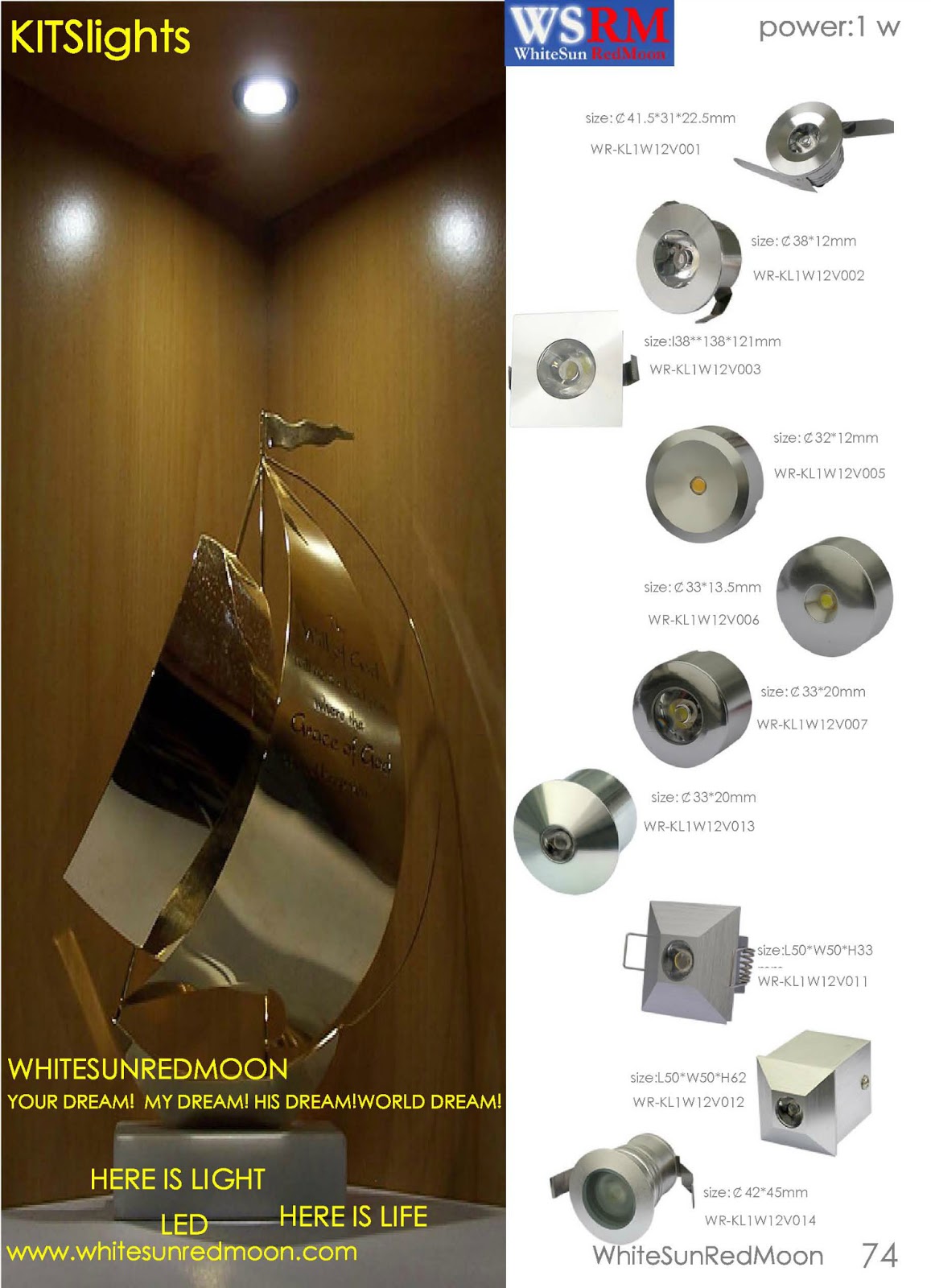
WSRM---LED KITSlights are used for recessed lighting in a home, office or business. These lights are often used where hanging fixture would not go or where highlighting or spotlighting items is desired. Kitchens, living rooms and great rooms are all excellent examples of places to use recessed lighting. Spas and hot tub areas are also a desirable place to use can lights. With the addition of a dimmer switch and some soft music, can lights can transform your home into a romantic getaway.

What Can They Light?
Some WSRM---LED KITSlights come with a fixed socket to project the lighting only downward, but others, come with a swivel can trim that allows the light to be adjusted and pointed at different angles. This way you can shine light at an angle to focus on a painting or fireplace for instance.
What Types of Recessed WSRM---LED KITSlights are Available?
Recessed WSRM---LED KITSlights come in two different styles: insulated ceiling type or non-insulated type. The insulated type fixture cans allow you to place them right up against the insulation in the ceiling. They have a built-in air chamber that allows the heat generated by the bulb to escape. However, the non-insulated type can is very different. You must allow a minimum of three inches of clearance around the fixture housing to allow the heat to dissipate.
How do They Mount?
Recessed WSRM---LED KITSlights have two adjustable mounting brackets that slide out to attach to the ceiling joists. You can fasten these with nails or screw to support the fixture. The bottom of the fixture should be even with the bottom of the ceiling joist with only the circular opening protruding down the thickness of the drywall so that a flush finish is achieved. The next steps will be to wire the recessed can and install the drywall. Once the drywall is installed, the fixture will need the trim ring that houses the bulb and this will attach with springs. It will secure firmly and flush when installed correctly.
http://zgledn.yglm.mobi/
SALES CONTACT
ITALY
 NETHERLAND
Amsterdam


Monday, April 8, 2013

WSRM---LED CABINETligths For Specific Areas of KITCHEN and CABINET!


HERE IS LIGHT!HERE IS LIFE!


WSRM---LED CABINETligths  For Specific Areas of KITCHEN and CABINET!

WSRM---LED CABINETlights in a KITCHEN or CABINET is lighting other than general lighting used to light the room. The general lighting would be the light usually located in the center of the room that disperses enough light to give general lighting throughout the room.
The downfall is that the light will likely be behind you when working on the countertop, casting a shadow on your work area. This is where WSRM---LED CABINETlights comes in handy.
WSRM---LED CABINETlights provides directional, area specific lighting for certain areas at hgher illumnation levels. Work areas always need additional lighting and task lighting does just that. In areas like sinks, islands and counter tops, task lighting can provide additional lighting wit the use of many different types of lights.
WSRM---LED CABINETlights provide nice lighting in areas that would otherwise be shadowed by overhead lighting. For the open areas of sinks, islands, and countertops, recessed can lights. This concentrated lighting increases the visibility of these ares with either fixed position or movable lights and can trims.
These adjustable heads on can lghts can be adjusted to point to the area you need additional lighting. The same is true for the WSRM---LED CABINIETlights that you can tilt the light head to accommodate your lighting needs.
WSRM---LED CABINETlights will almost always have some sort of natural ligting via a window or skylight. The problem is that on cloudy days or dark of night, you'll need the addition of lighting to fill the void. The secret to lighting is to have enough lighting where you need it, when you need it. By installing
WSRM---LED CABINETlights  in addition to the general lighting you already have, your KITCHEN and CABINET will be a safer and brighter area in your home.
http://zgledn.yglm.mobi/
SALES CONTACT
ITALY
 NETHERLAND
Amsterdam


Tuesday, April 2, 2013

WSRM---LEDlights for living rooms!


HERE IS LIGHT!HERE IS LIFE!


WSRM---LEDlights for living rooms!


See More About
Living rooms are used for many different purposes and having the appropriate living room lighting is very important. Some rooms used purely for entertaining, others for watching television and many for a whole host of other activities. It's important to have appropriate living room lighting that not only looks great in the space, but also accommodates all of the events that take place there.


Table Lamps
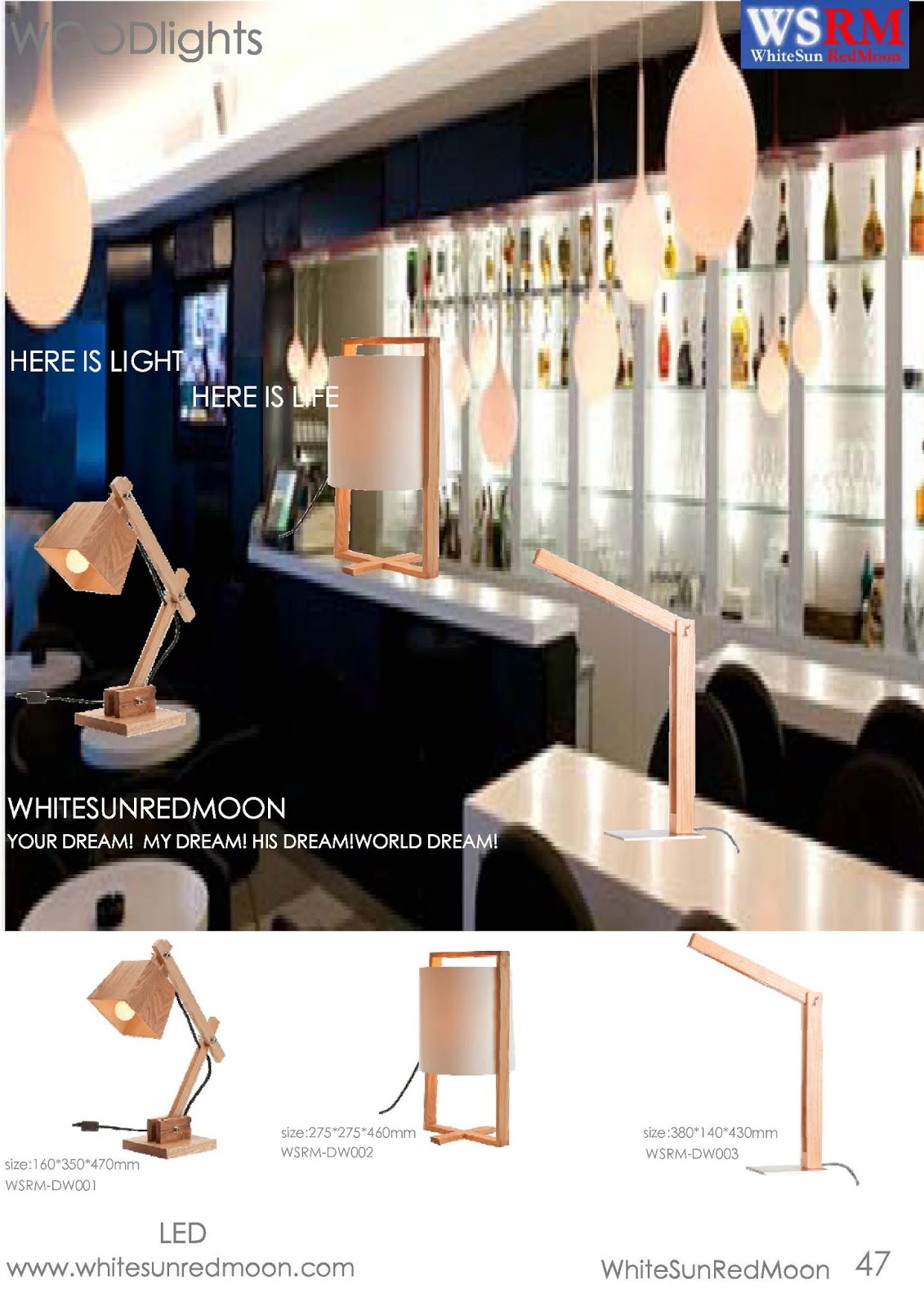
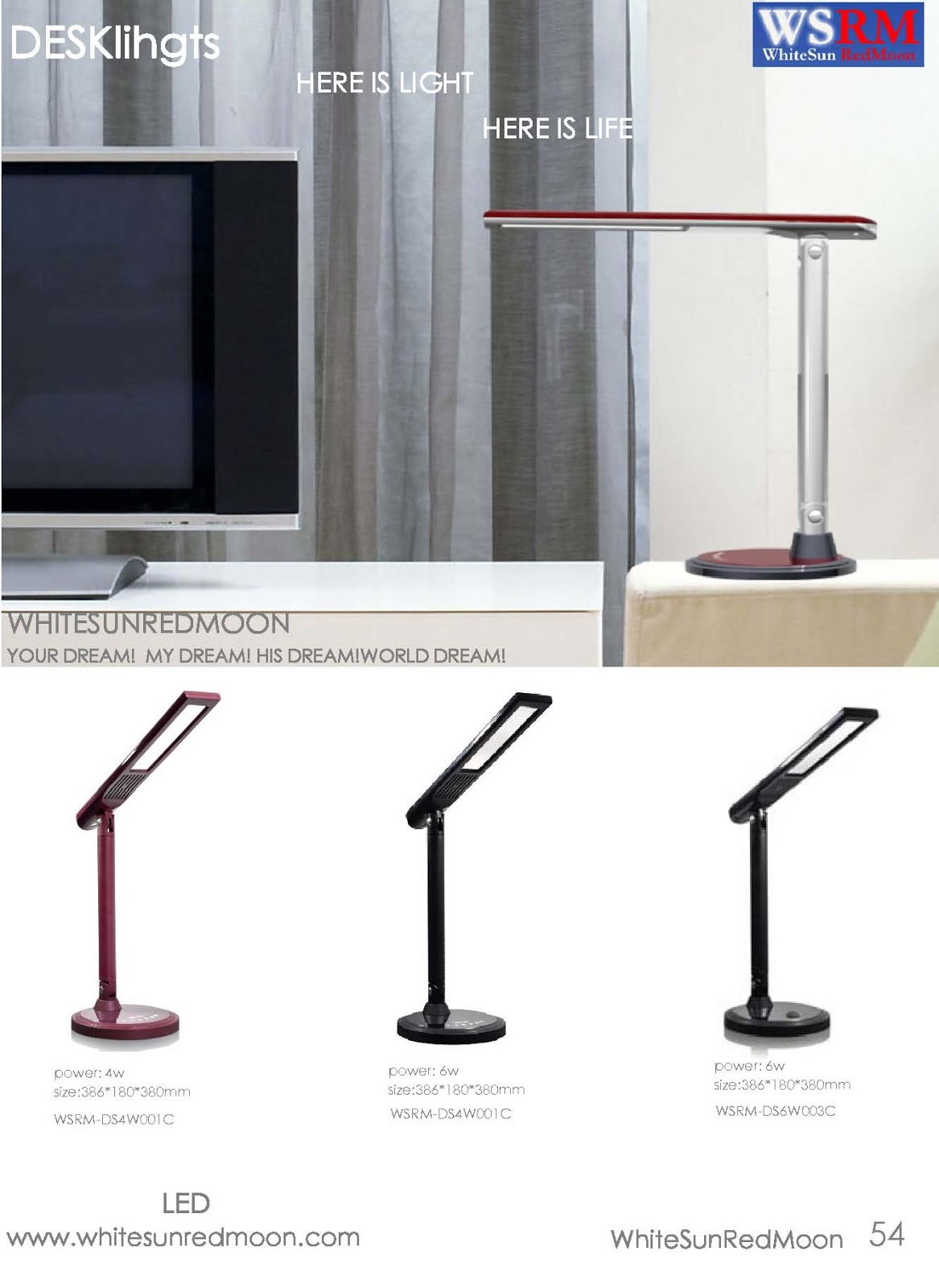
Table lamps are important for providing task lighting. It's a good idea to have a few scattered throughout the room. For a formal look place a pair of matching lamps at either end of a console table or on end tables. If you don't like things to be quite so symmetrical it's perfectly fine to split up a pair and use them in different spots in the room, and if you prefer a less pulled together look use lamps that don't match.

Floor Lamps
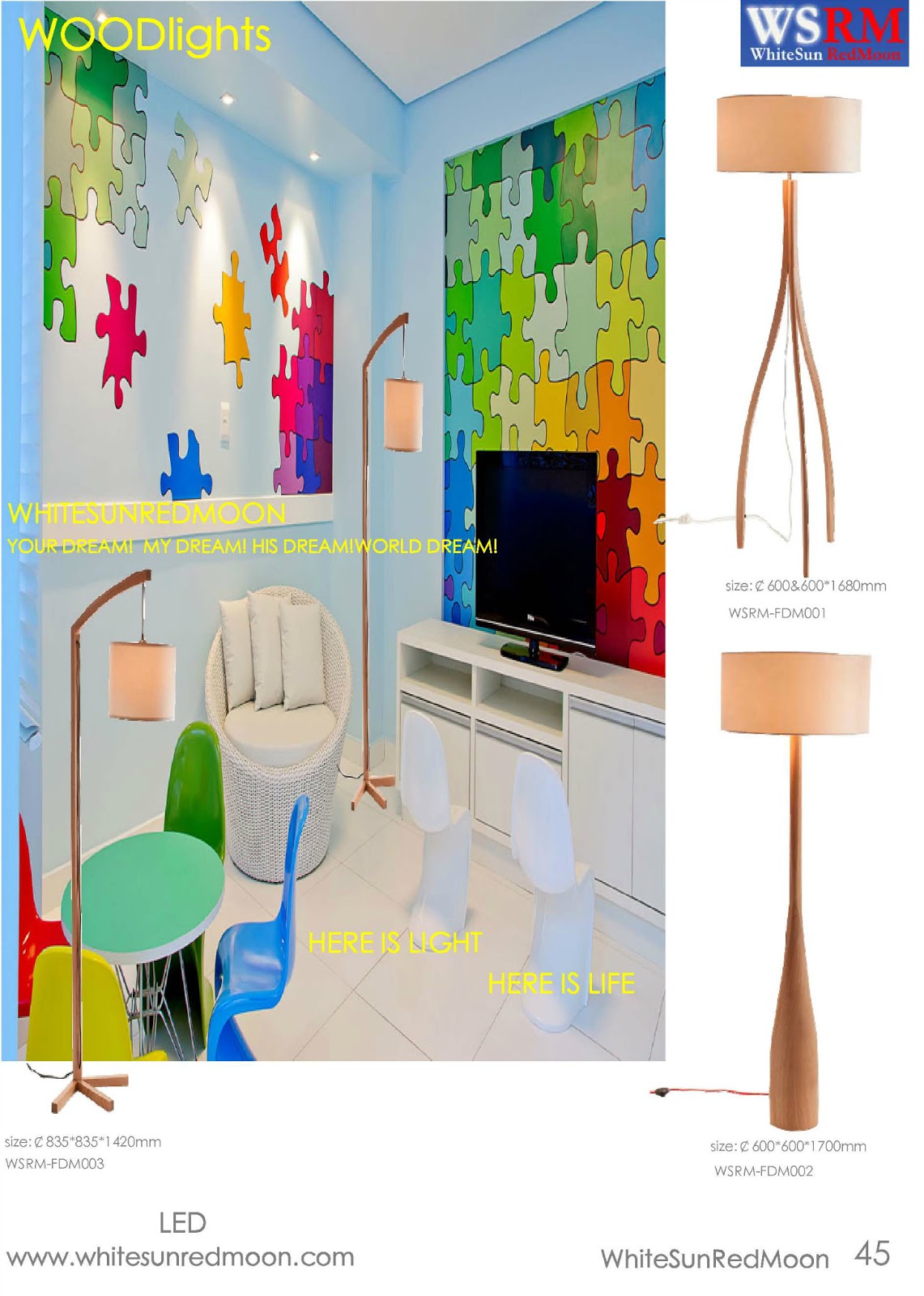
Floor lamps are great for adding light where there's no table surface (they're often used in corners). They don't take up very much space and are great for distributing light in awkward spaces.


Wall Sconces
Wall sconces are great for adding a little ambient light to the living room. They look lovely when placed on either side of a mirror or piece of art and act as terrific decorative accents. That said, when it comes to providing light they likely won't be enough. You'll want to use other sources of light as well.


Hanging Fixtures
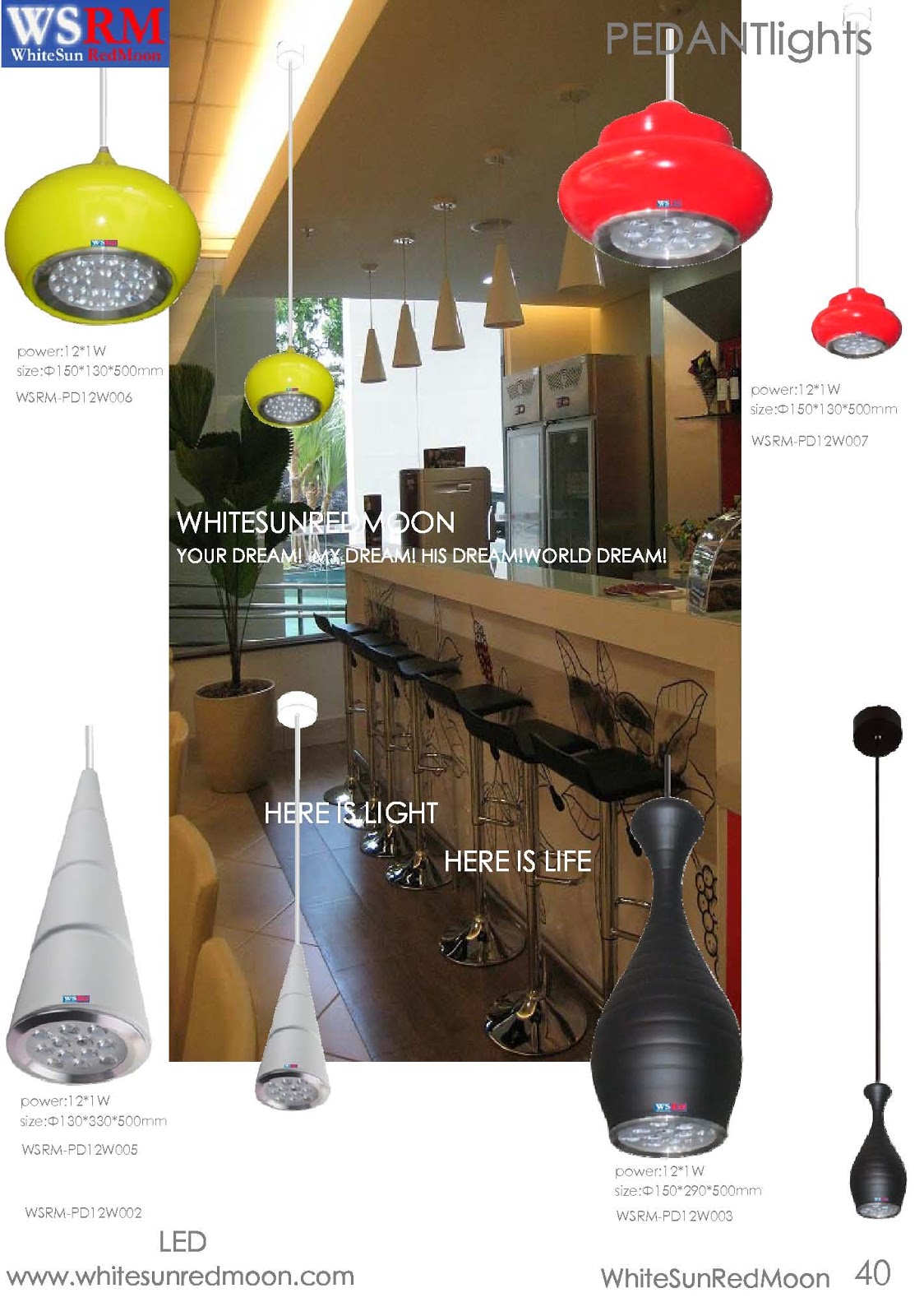
Chandeliers and pendent lamps can be a fun decorative touch in living rooms. They provide a nice overall glow to the space and draw the eye upward. What's great about them is that they tend to be unexpected in living rooms and can add some real depth. Just make sure that your ceilings are high enough (about 9') so that no one hits their head.


Living Room Lighting Tips

Ideally you want to use different types of lighting to provide a nice mix. While pot lights and track lighting can be practical and provide a lot of overhead light, they're not really the best choice for living room lighting. Ultimately you want a mix of task and ambient light so try mixing floor lamps, table lamps, and maybe an overhead light and/or sconces. Make sure there's enough light near reading or work areas and also use light to call attention to unexpected or special places.


One of the best things you can do is to add a dimmer switch to every single light in the room (do this with every light in the house if you can). The ability to soften or brighten the light allows you to totally change the mood in the room. They're not very expensive and it makes a huge difference.
http://zgledn.yglm.mobi/
SALES CONTACT
ITALY
 NETHERLAND
Amsterdam


Monday, April 1, 2013

WSRM---LED LIGHTS History!


HERE IS LIGHT!HERE IS LIFE!


WSRM---LED LIGHTS History!

1907 - H.J. Round discovered electroluminescence when using silicon carbide and a cats whisker. Oleg Losev independently discovered the phenomena the same year.
London, United Kingdom
1920s - Oleg V. Losev studied the phenomena of light emitting diodes in radio sets. His first work on 'LEDs' involved a report on light emission from SiC. In 1927 he published a detailed report but his work was not well known until the 1950s when his papers resurfaced.
Saint Petersburg, Russia
1961 - Bob Biard and Gary Pittman developed the Infrared LED at Texas instruments. This was the first modern LED. It was discovered by 'accident' while TI tried to make a laser diode. The discovery was made during a test of a tunnel diode using a zinc diffused area of a GaAs (Gallium Arsenide) semi-insulating substrate.
Dallas, Texas

Photo: Robert Biard
1961 - Gary Pittman worked together with Robert Biard. He had started working in 1958 with semiconductor GaAs for creation of early solar cells. This lead him into the group working on tunnel diodes (lasers). A failed attempt to make a laser lead to the infrared LED.
Dallas, Texas
1962 - Nick Holonyack Jr. develops the red LED, the first LED of visible light. He used GaAsP (Gallium Arsenide Phosphide) on a GaAs substrate. General Electric.
Syracuse, New York

Photo: PD-USGOV
1972 - M. George Craford creates the first yellow LED at Monsanto using GaAsP. He also develops a brighter red LED. 
St. Louis, Missouri

Photo: Semicon West 2012
1979 - Shuji Nakamura develops the world's first blue LED using GaN (Gallium nitride). It wouldn't be until the 1990s that the blue LED would become low cost for commercial production. 
Tokushima, Japan

Photo: Randy Lamb, UC Santa Barbara
1976 - Thomas P. Pearsall develops special high brightness LEDs for fiber optic use. This improves communications technology worldwide. Paris, France
Photo: T.P. Pearsall


A light-emitting diode (LED) is a semiconductor light source. LEDs are used as indicator lamps in many devices and are increasingly used for other lighting. Appearing as practical electronic components in 1962, early LEDs emitted low-intensity red light, but modern versions are available across the visible,ultraviolet, and infrared wavelengths, with very high brightness.
When a light-emitting diode is switched on,electrons  are able to recombine with electron holes within the device, releasing energy in the form of photons . This effect is called electroluminescence and the color of the light (corresponding to the energy of the photon) is determined by the energy gap of the semiconductor. An LED is often small in area (less than 1 mm2), and integrated optical components may be used to shape its radiation pattern. LEDs present many advantages over incandescent light sources including lower energy consumption, longer lifetime, improved physical robustness, smaller size, and faster switching. However, LEDs powerful enough for room lighting are relatively expensive and require more precise current and heat management than compact fluorscent lamp sources of comparable output.
Light-emitting diodes are used in applications as diverse as aviation lighting , automotive lighting, advertising, general lighting, and traffic signals . LEDs have allowed new text, video displays, and sensors to be developed, while their high switching rates are also useful in advanced communications technology. Infrared LEDs are also used in the remote control units of many commercial products including televisions, DVD players and other domestic appliances. LEDs are also used in seven-segment display.

Discoveries and early devices


Green electroluminescence from a point contact on a crystal of SiCrecreates H.J.Round's original experiment from 1907.
Electroluminescence as a phenomenon was discovered in 1907 by the British experimenterH.J.Round of Marconi Labs, using a crystal of silicon carbide and a cat's-whisker detector. Russian Oleg Vladimirovich Losev reported creation of the first LED in 1927. His research was distributed in Russian, German and British scientific journals, but no practical use was made of the discovery for several decades. Rubin Braunsteinof the Radio Corporation of America reported on infrared emission from gallium arsenide(GaAs) and other semiconductor alloys in 1955. Braunstein observed infrared emission generated by simple diode structures using gallium antimonide(GaSb), GaAs, indium phosphide(InP), and silicon-germanium(SiGe) alloys at room temperature and at 77 kelvins.
In 1961 American experimenters Robert Biard and Gary Pittman, working at Texas Instruments,found that GaAs emitted infrared radiation when electric current was applied and received the patent for the infrared LED.
The first practical visible-spectrum (red) LED was developed in 1962 by Nick Holonyak,Jr., while working at General Electric Company. Holonyak first reported this breakthrough in the journal Applied Physics Letters on the December 1, 1962. Holonyak is seen as the "father of the light-emitting diode". M.George Craford,a former graduate student of Holonyak, invented the first yellow LED and improved the brightness of red and red-orange LEDs by a factor of ten in 1972. In 1976, T. P. Pearsall created the first high-brightness, high-efficiency LEDs for optical fiber telecommunications by inventing new semiconductor materials specifically adapted to optical fiber transmission wavelengths.

Commercial development

The first commercial LEDs were commonly used as replacements for incandescent and neon indicator lamps, and in seven-segment displays, first in expensive equipment such as laboratory and electronics test equipment, then later in such appliances as TVs, radios, telephones, calculators, and even watches (see list of signal uses). Until 1968, visible and infrared LEDs were extremely costly, in the order of US$200 per unit, and so had little practical use. The Monsanto Company was the first organization to mass-produce visible LEDs, using gallium arsenide phosphide (GaAsP) in 1968 to produce red LEDs suitable for indicators. Hexlett Packard (HP) introduced LEDs in 1968, initially using GaAsP supplied by Monsanto.planar process invented by Dr. Jean Hoerni at Fairchild Semiconductor . The combination of planar processing for chip fabrication and innovative packaging methods enabled the team at Fairchild led by optoelectronics pioneer Thomas Brandt to achieve the needed cost reductions. These methods continue to be used by LED producers.
These red LEDs were bright enough only for use as indicators, as the light output was not enough to illuminate an area. Readouts in calculators were so small that plastic lenses were built over each digit to make them legible. Later, other colors grew widely available and also appeared in appliances and equipment. In the 1970s commercially successful LED devices at less than five cents each were produced by Fairchild Optoelectronics. These devices employed compound semiconductor chips fabricated with the

LED display of a TI-30 scientific calculator (ca. 1978), which uses plastic lenses to increase the visible digit size
As LED materials technology grew more advanced, light output rose, while maintaining efficiency and reliability at acceptable levels. The invention and development of the high-power white-light LED led to use for illumination, which is fast replacing incandescent and fluorescent lighting(see list of illumination applications) .
Most LEDs were made in the very common 5 mm T1¾ and 3 mm T1 packages, but with rising power output, it has grown increasingly necessary to shed excess heat to maintain reliability, so more complex packages have been adapted for efficient heat dissipation. Packages for state-of-the-art high-power LEDs bear little resemblance to early LEDs.

The blue and white LED


Illustration of Haitz's law Light output per LED as a function of production year; note the logarithmic scale on the vertical axis
The first high-brightness blue LED was demonstrated by Shuji Nakamura of Nichia Corporation in 1994 and was based on InGan.Its development built on critical developments in GaNnucleation on sapphire substrates and the demonstration of p-type doping of GaN, developed by Isamu Aksakiand H. Amano in Nagoya. In 1995, Alberto Barbieri at the Cardiff University Laboratory (GB) investigated the efficiency and reliability of high-brightness LEDs and demonstrated a "transparent contact" LED using indium tin oxide(ITO) on (AlGaInP/GaAs). The existence of blue LEDs and high-efficiency LEDs quickly led to the development of the first white LED, which employed a Y3Al5O12:Ce, or "YAG", phosphor coating to mix (donw-convertedyellow light with blue to produce light that appears white. Nakamura was awarded the 2006 Millennium Technology Prize for his invention.
The development of LED technology has caused their efficiency and light output to rise exponetially, with a doubling occurring approximately every 36 months since the 1960s, in a way similar to Moore's law. This trend is generally attributed to the parallel development of other semiconductor technologies and advances in optics and material science, and has been called Haitz's law after Dr. Roland Haitz.
In 2001 and 2002, processes for growing gallium nitride(GaN) LEDs on sillicon were successfully demonstrated. In January 2012, Osram demonstrated high-power InGaN LEDs grown on Silicon substrates commercially. It has been speculated that the use of six-inch silicon wafers instead of two-inch sapphire wafers and epitaxy manufacturing processes could reduce production costs by up to 90%
SALES CONTACT
ITALY
 NETHERLAND
Amsterdam